Why Every Classic Car Owner Is a Custodian of History
As billions in classic cars change hands over the coming decades, proper documentation could be the difference between a car with soul and just another old machine.
The paperwork tells the story
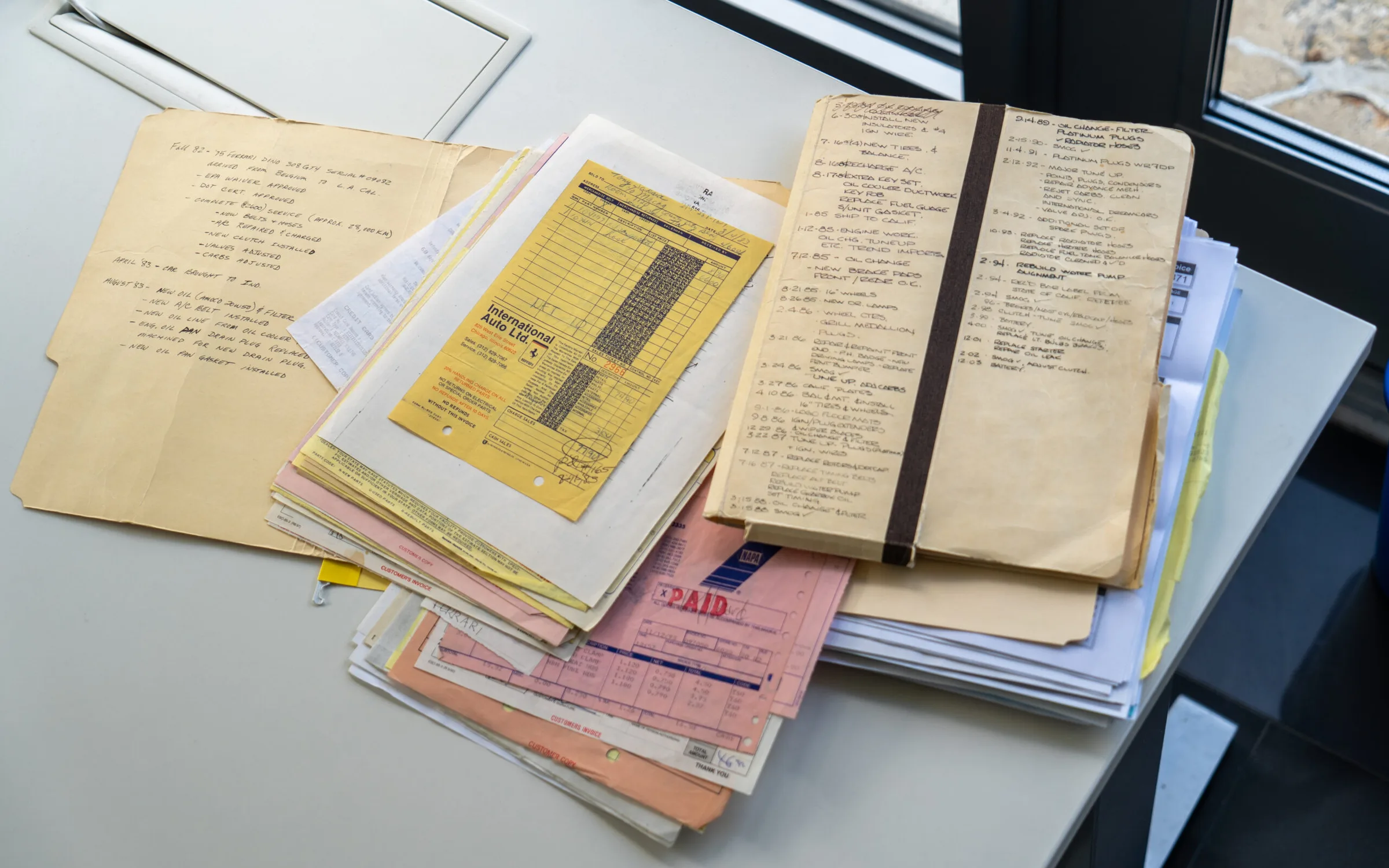
When a Hagerty writer picked up a 1928 Bentley 4½ Litre in the UK a few years back, it came with something almost as valuable as the car itself: a complete history file. Every fuel receipt, oil change, and replaced part from 75 years of use, all meticulously documented. According to Hagerty, that kind of recordkeeping doesn't just help with valuation — it gives the car a soul.
But not every deal goes that way. The same collector later bought a 1931 16-cylinder Cadillac, only to be told: "You bought the car, not the files." The documents stayed with the seller, and with them went irreplaceable chapters of the car's story.
A generational handover is coming
This isn't just one collector's frustration — it's a looming issue for the entire classic car community. Baby boomers and the Silent Generation are expected to pass down $84 trillion in wealth by the mid-2040s, including their prized vehicles. But if service records, original purchase documents, and ownership histories don't follow those cars, huge chunks of automotive heritage will simply vanish.
Digital archives could be the answer
As reported by Hagerty, digitisation offers a solution. Scanning and storing documents digitally makes them easier to preserve, share, and hand down. But the challenge is bigger than any one owner or auction house can tackle alone.
The message is clear: if you own a classic, you're not just maintaining a car — you're a custodian of its history. Every receipt, every photo, every note matters. Future owners will thank you, and the car's story will live on long after you've handed over the keys.
Start organising now, because that shoebox full of old papers might be worth more than you think.
Source: Hagerty
Loading comments...