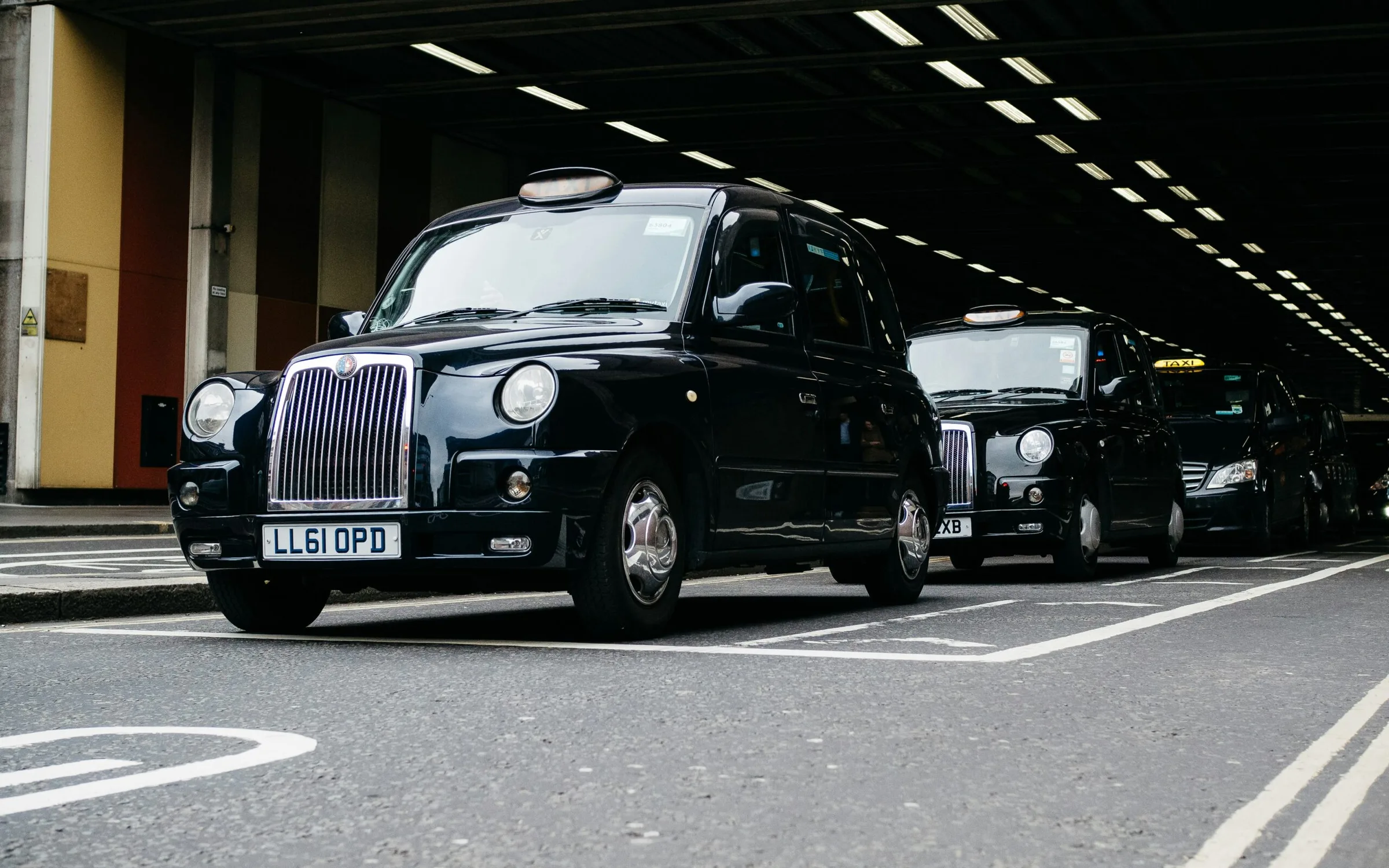
London's Black Cabs: A History of the World's Most Iconic Taxi
From horse-drawn Hansom cabs to purpose-built motoring icons, London's black cabs have been ferrying passengers for centuries. Here's how they became a symbol of the city itself.
Every City Has Its Ride
According to Hagerty, few vehicles define a city quite like London's black cabs. Just as Tokyo has its Crown Comforts and New York its yellow Checker Marathons of old, London's distinctive taxis are as much a part of the urban fabric as red phone boxes and double-decker buses.
This is the first instalment in Hagerty's series exploring taxicab culture around the world — and there's really only one place to start.
The Knowledge
The term "taxicab" itself comes from "taximeter cab" — the taximeter being the device that calculates fares based on distance travelled. But the "cab" part of the equation goes back much further, to the Hansom Cab of the early 1800s, and even earlier references from the 1600s.
In both London and Paris during the 17th century, wealthy residents could hire horse-drawn carriages — essentially private vehicles for hire. The Hansom Cab, patented by Joseph Hansom in 1834, refined this concept into something more practical: a two-wheeled, single-horse carriage with the driver perched at the back, giving passengers better visibility and a smoother ride through crowded streets.
From Horses to Horsepower
As reported by Hagerty, the transition from horse-drawn cabs to motorised vehicles began in the early 20th century. The first purpose-built motor taxi appeared in London in 1897, but it wasn't until the 1920s and '30s that petrol-powered cabs truly took over the streets.
What makes London's black cabs unique isn't just their distinctive shape — it's the legendary test drivers must pass called "The Knowledge," requiring them to memorise every street, landmark, and route within a six-mile radius of Charing Cross. It's this combination of purpose-built engineering and driver expertise that's made the London black cab an enduring icon.
The series promises to explore taxi culture from cities around the globe, capturing these rolling pieces of urban identity before autonomous pods make them all look the same.
Source: Hagerty
Loading comments...