E30 3-Series
1982-1994 / Sedan / Convertible / Estate / Germany
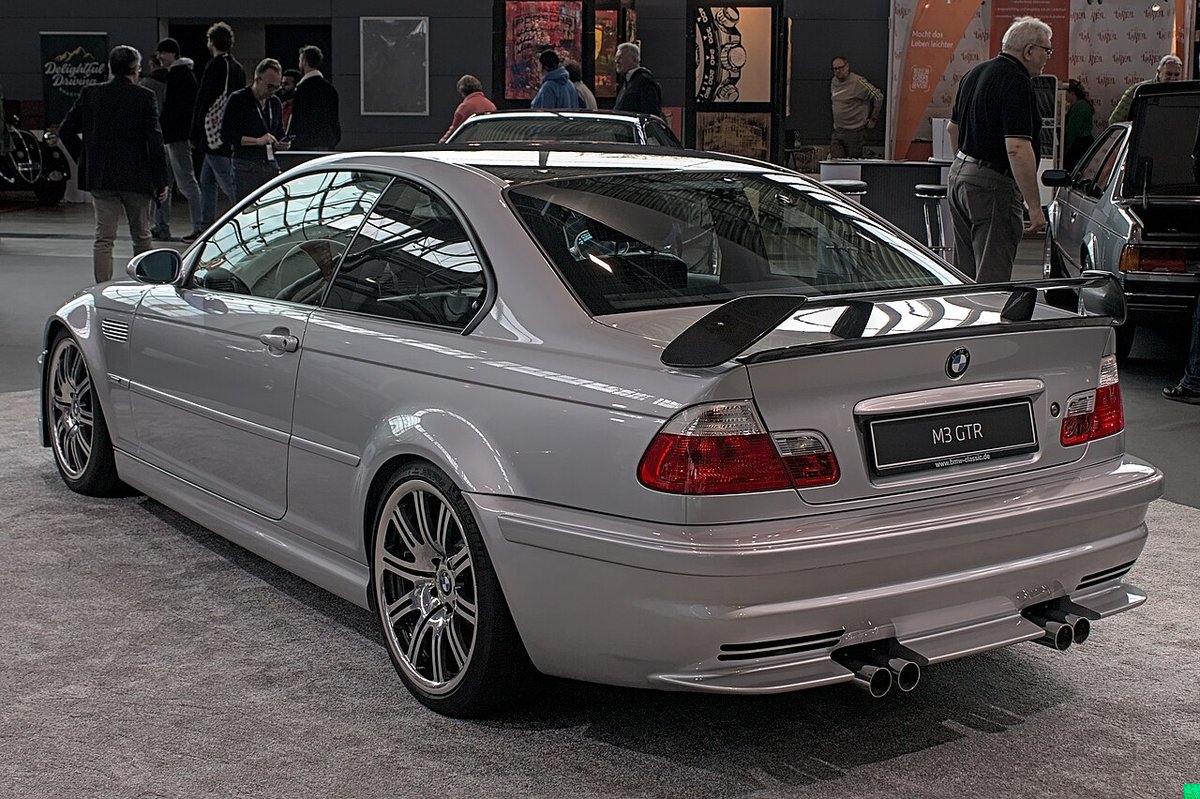
The E30 3-Series is one of BMW's most important cars, a compact sport sedan that redefined what buyers expected from this class. Built from 1982 to 1994, it represented a genuine leap forward from the E21 it replaced, offering better proportions, stronger performance across its engine range, and a driving experience that still feels immediate and engaging today. The E30 was available as a sedan, convertible, and touring estate, with engine options ranging from modest 1.6L four-cylinders right through to the M3's legendary 2.3L 16-valve screamer. It's the car that convinced a generation of drivers that BMW's 'Ultimate Driving Machine' slogan wasn't just marketing speak.
In Australia, the E30 carved out a significant place in the classic car scene and remains one of the most beloved BMWs among enthusiasts. The model enjoyed solid sales here through the 1980s and early 1990s, and the combination of affordable entry price, strong tuning potential, and genuine mechanical sympathy made it a natural choice for club racing and road car modification. You'll find E30s competing in historic racing categories, featured heavily in BMW clubs, and still being driven by owners who appreciate its mechanical honesty and playful nature. The 325i became particularly iconic, offering the sweet spot between performance and practicality.
What makes the E30 special is its timeless design, the feeling of genuine mechanical connection it provides, and its willingness to reward skilled driving. It's a car that punishes poor technique while rewarding precision, and that's precisely why it remains so respected. Whether you're looking at a humble 318i, a crisp 325i, or chasing the dream of an M3, the E30 represents BMW at a time when the company still believed in accessible, driver-focused cars.
Thinking of buying a E30 3-Series?
What to look for, what to pay, what to avoid.
What to watch for.
Timing Belt Failure
Minor Engine, M20 (320i, 323i, 325i, 325e)
Timing Belt Failure
MinorThe engine stops instantly while driving. If the belt snaps at speed, the valves collide with the pistons, destroying the cylinder head and potentially the pistons as well. The engine is scrap without a full rebuild.
The M20 has an unusual design, a timing chain drives the camshaft from the front, while a separate timing belt at the rear of the engine drives the intermediate (auxiliary) shaft. This belt is made of rubber and degrades with age and heat regardless of mileage. The belt is hidden at the back of the engine, against the firewall, so it's out of sight and out of mind. Many owners forget about it until it's too late.
Replace the timing belt, tensioner, and water pump every 60,000-80,000 km or every 4 years, whichever comes first. The job requires removing the intake manifold and various components to access the rear of the engine. It's a 4-6 hour job for an experienced mechanic. Cost: $400-700 at a specialist. DIY cost: $80-150 in parts.
Head Gasket Failure
Critical Engine, M20 (320i, 323i, 325i, 325e)
Head Gasket Failure
CriticalCoolant loss without visible external leak. White smoke from the exhaust (coolant burning in the combustion chamber). Overheating. Milky emulsion under the oil filler cap. Coolant in the oil (oil level rises, oil appears grey or milky on the dipstick). Bubbles in the expansion tank with the engine running.
The M20 head gasket is a known weak point. The head bolts are stretch-to-yield (torque-to-yield) design that loses clamping force over time. Thermal cycling and the aluminium head expanding at a different rate to the iron block contribute to gasket failure. Overheating events, even brief ones, dramatically increase the risk of head gasket failure.
Replace the head gasket with the head removed and resurfaced. Use ARP head studs instead of the factory stretch bolts, this is the single best preventive modification for the M20. Cost: $1,200-2,000 at a workshop; $300-500 DIY if the head doesn't need machining. ARP head studs: $250-350.
Oil Leaks, Everywhere
Critical Engine, M20 (320i, 323i, 325i, 325e)
Oil Leaks, Everywhere
CriticalOil weeping from the valve cover gasket, oil filter housing gasket, oil pan gasket, rear main seal, and front crank seal. A high-mileage M20 will have oil residue on virtually every surface.
Cork and rubber gaskets degrade over 30+ years. The M20 uses a variety of gasket materials, and all of them fail eventually. The oil filter housing gasket is particularly notorious, it's a large O-ring that hardens and leaks oil onto the exhaust manifold, creating smoke and a fire risk.
Reseal the engine systematically. Replace all gaskets and seals in one session rather than chasing individual leaks. The oil filter housing gasket is the most urgent (fire risk). The valve cover gasket is the easiest to do. The rear main seal requires gearbox removal. Cost for a full reseal: $300-600 DIY, $800-1,500 at a workshop.
Idle Control Valve (ICV) Failure
Common Engine, M20 (320i, 323i, 325i, 325e)
Idle Control Valve (ICV) Failure
CommonRough idle, idle speed hunting (revs surging up and down between 500 and 1,500 rpm), stalling when coming to a stop, or idle sitting too high (1,200+ rpm). The engine may idle fine when cold but develop problems as it warms up.
The ICV is an electrically controlled air bypass valve that regulates idle speed. Carbon deposits from crankcase ventilation blowby clog the valve's passages. The valve's internal motor can also fail electrically.
Remove and clean the ICV with carburettor cleaner or brake cleaner. Spray cleaner into both ports and through the valve while working the valve open and closed. Allow to dry completely. If cleaning doesn't resolve the issue, replace the ICV. Cost: $0 for cleaning, $100-200 for a replacement valve.
Timing Belt and Chain Issues
Critical Engine, M40 (318i, late model)
Timing Belt and Chain Issues
CriticalRattling noise on cold start from the front of the engine (chain). Engine misfiring or loss of power (belt).
The M40, like the M20, has both a timing chain and a timing belt. The chain tensioner weakens with age, allowing the chain to slap against its guides. The timing belt at the rear degrades with age. If the chain jumps a tooth, valve timing shifts and the engine runs poorly. If the belt snaps, it's catastrophic.
Replace the timing belt every 60,000 km. If the chain is rattling, replace the chain, tensioner, and guides, this requires front cover removal. Cost: $300-600 for belt service, $500-900 for chain service.
Crankcase Ventilation (CCV) Failure
Common Engine, M40 (318i, late model)
Crankcase Ventilation (CCV) Failure
CommonOil consumption increases, rough idle, oil leaks, whistling noise from the engine, check engine light.
The crankcase ventilation valve (CCV) and associated hoses become brittle and crack. When the CCV fails, crankcase pressure builds up, forcing oil past seals and gaskets. This is a hidden cause of many oil leaks, replacing gaskets without fixing the CCV is pointless.
Replace the CCV valve and all connected hoses. Inspect the oil separator as well. Cost: $50-120 for parts.
Join the conversation.
Common questions.
What is the BMW E30?
The E30 is BMW's second-generation 3-Series, produced from 1982 to 1994. It was sold as a two-door sedan, four-door sedan, convertible, and Touring (wagon).
Which E30 engine is best?
The M20B25 in the 325i. No contest.
What is the timing belt issue on the M20?
The M20 engine has an unusual dual-drive arrangement: a timing chain at the front drives the camshaft, and a timing belt at the rear drives the intermediate (auxiliary) shaft. The belt is rubber and degrades with age and heat.
Is the E30 M3 worth the money?
Depends on what you want. As a pure investment, the E30 M3 has appreciated consistently and shows no signs of slowing down.
Own a E30 3-Series?
Share your car with the community. explore more BMW models.